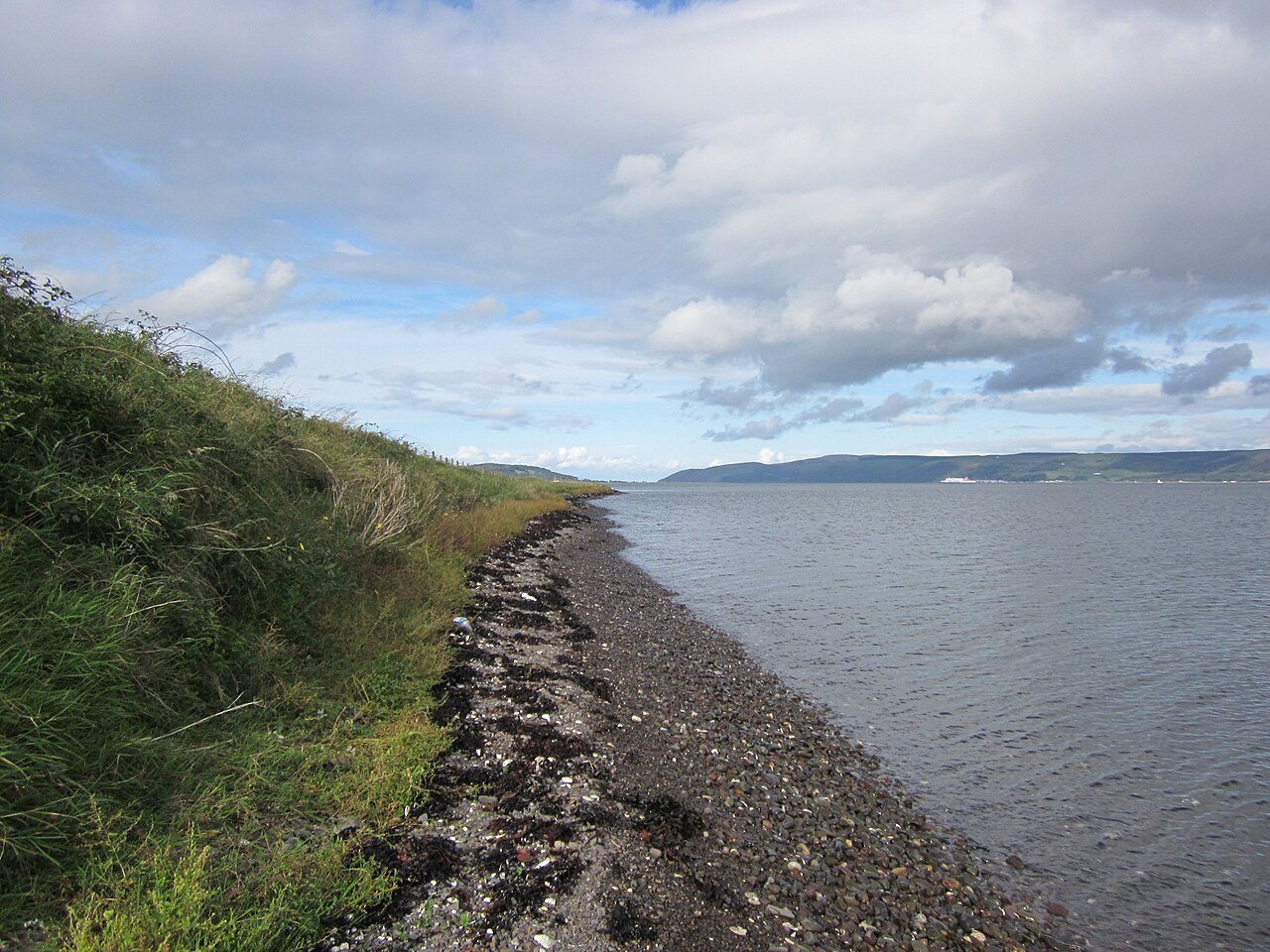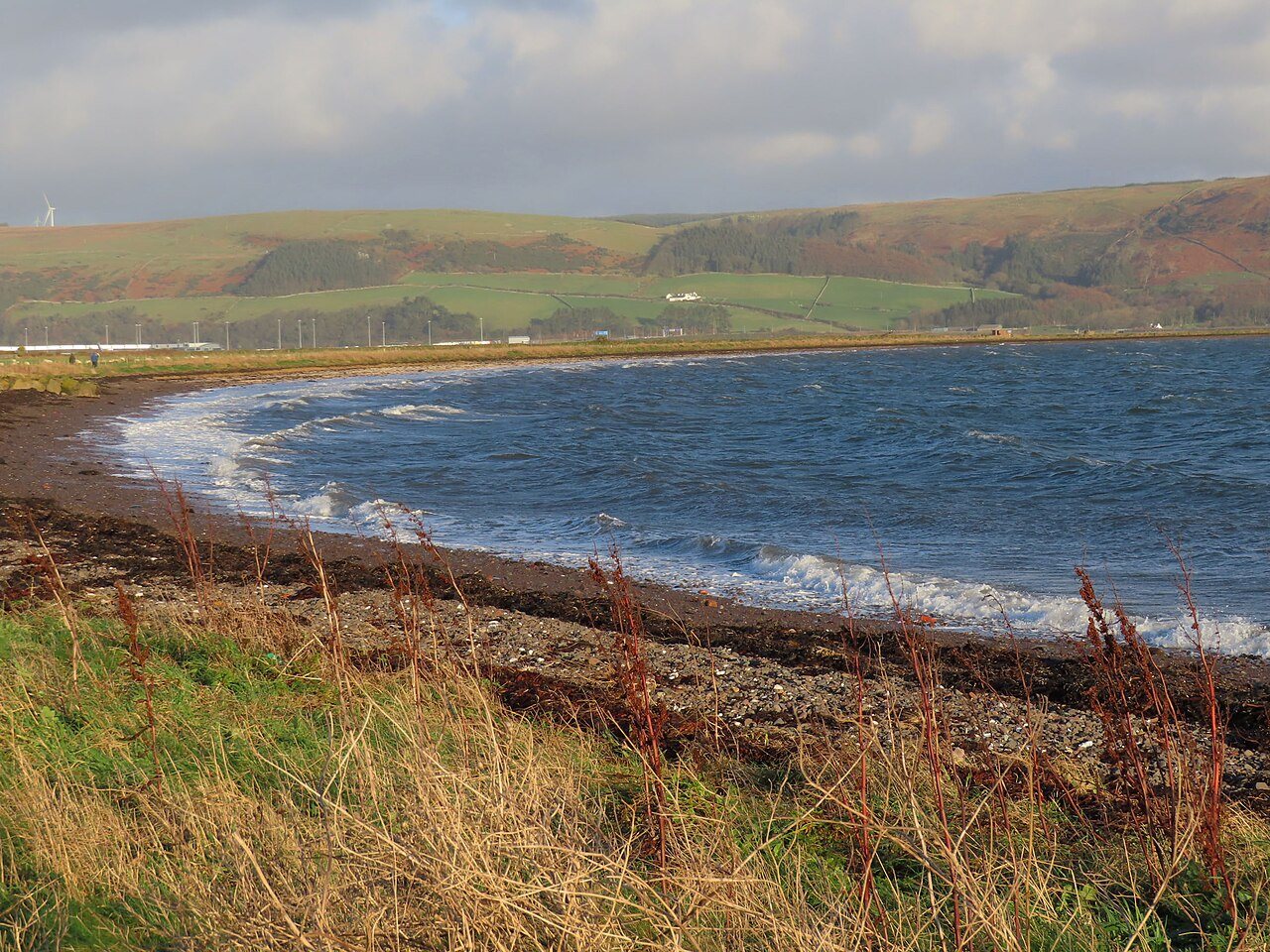
At the Mull of Galloway, seabirds bring movement and sound to a landscape of cliffs and open water. The RSPB identifies several breeding species around the headland, but a good visit does not depend on seeing them all. Understanding where to look and when to stop approaching is more useful than pursuing a checklist.
Expect a seasonal scene
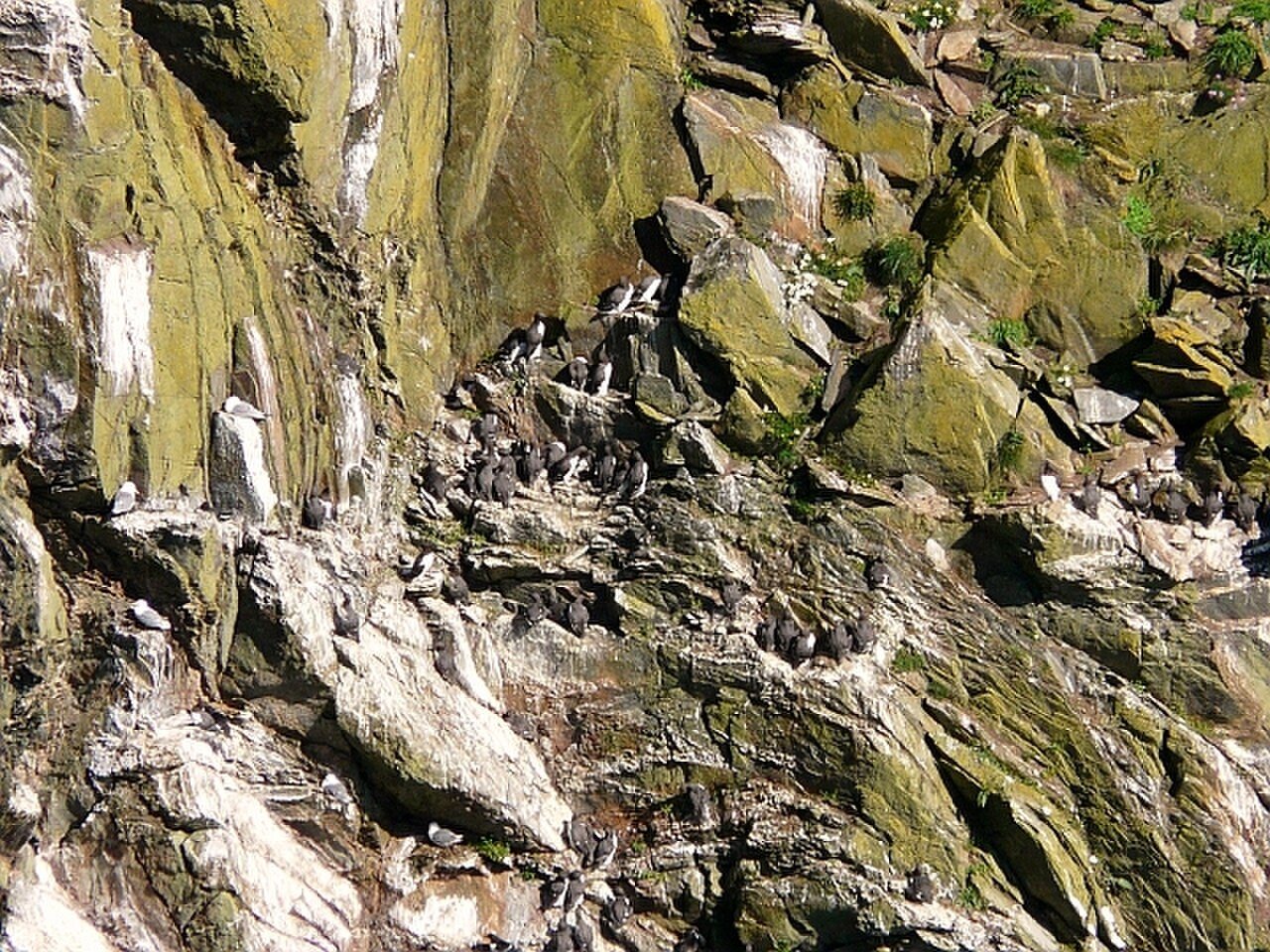
Spring and early summer are important for breeding seabirds, while migration can change the picture later in the year. The reserve describes guillemots, razorbills, kittiwakes, shags and black guillemots among the cliff birds. Conditions and individual movements still determine what is visible on your day.
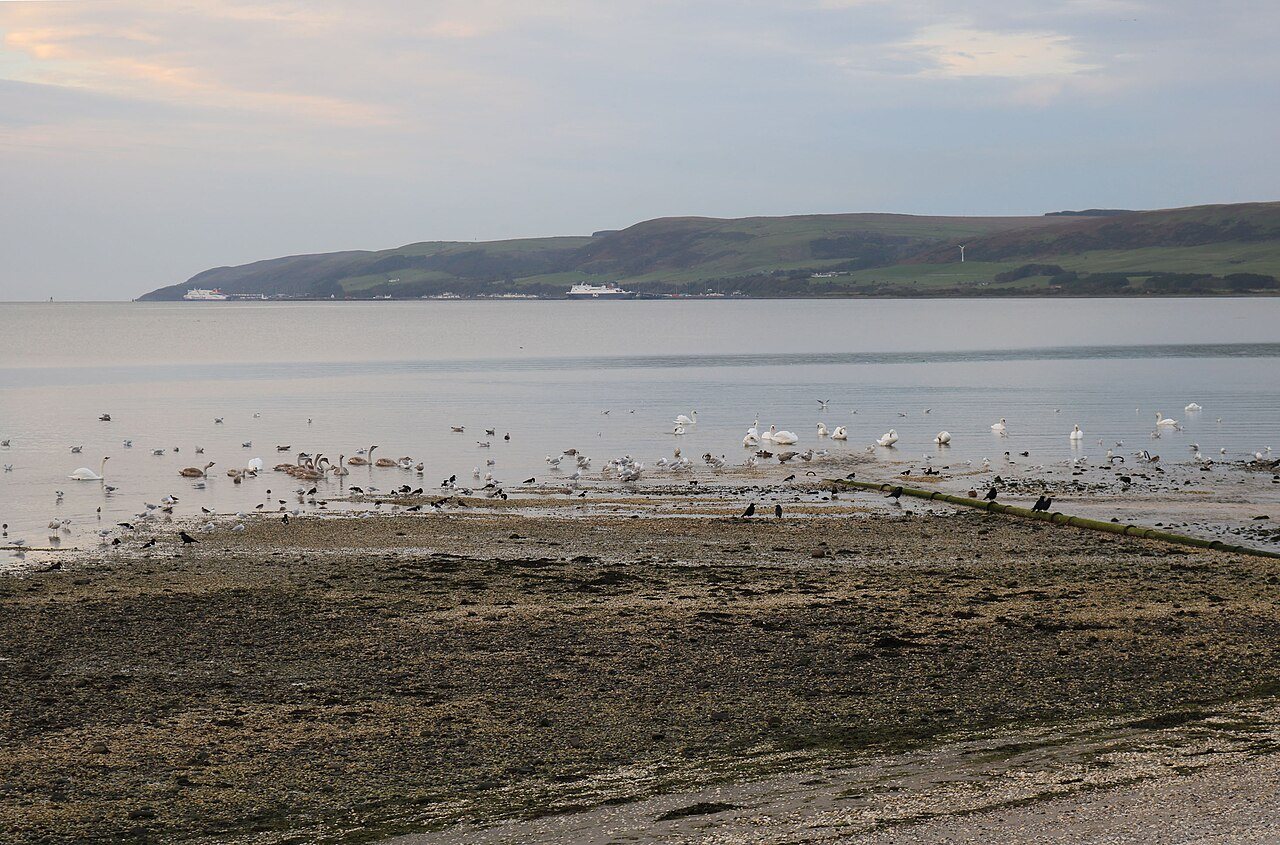
Begin by noticing the difference between birds perched on ledges, moving between sea and cliff, and feeding offshore. Even when you cannot identify a distant bird, those behaviours reveal how the colony uses the landscape. Avoid treating a quiet ledge outside the breeding period as evidence that the reserve has nothing to offer.
Set up a stable viewing position
Choose a place on the established route with secure footing and room for other visitors. Raise binoculars only after you have stopped walking. Do not lean over an edge to find birds hidden below; the fact that a colony uses a cliff does not create a safe viewing position there.
If using a camera, allow distance to remain part of the photograph. A wider view can show a bird's relationship to the sea and cliffs. Do not leave paths or cross barriers to turn a distant observation into a close-up, and follow current reserve instructions about photography and wildlife.
Protect more than the obvious colony
Ground-nesting birds and plants use the headland as well as the cliffs. Keep to the route and manage dogs according to the reserve's seasonal and livestock guidance. A bird that repeatedly alarms or moves away is telling you to create more space, even if you cannot locate a nest.
Ask current reserve information about access and the most appropriate viewing areas if you are unsure. Mixed surfaces and weather can make some parts unsuitable for a particular group. A shorter observation from a comfortable position often gives time to notice repeated behaviour that a hurried circuit would miss.
A couple of practical questions
Are gannets the only birds to look for?
No. The reserve describes several cliff and headland species, and offshore birds add variety. Look at behaviour and habitat before trying to identify every bird.
Will a close approach help me see nesting birds better?
It can disturb them and put you on unsafe ground. Use binoculars from an established viewing position and respect barriers and reserve guidance rather than trying to reach a ledge.