Loch Ryan can look calm and enclosed from Stranraer's waterfront, which makes it easy to imagine a freshwater lake. It is a sea loch: an inlet connected to the marine coast. Recognising that distinction helps explain the tide, shoreline habitats, oysters and shipping that appear together in the local landscape.
A name is not a water-type test
In Scotland, 'loch' is used for inland freshwater bodies and for sea inlets. The word alone therefore cannot tell you whether water is salty, tidal or suitable for a particular activity. Look at a map: Loch Ryan opens northwards to the sea rather than being enclosed by land on all sides.
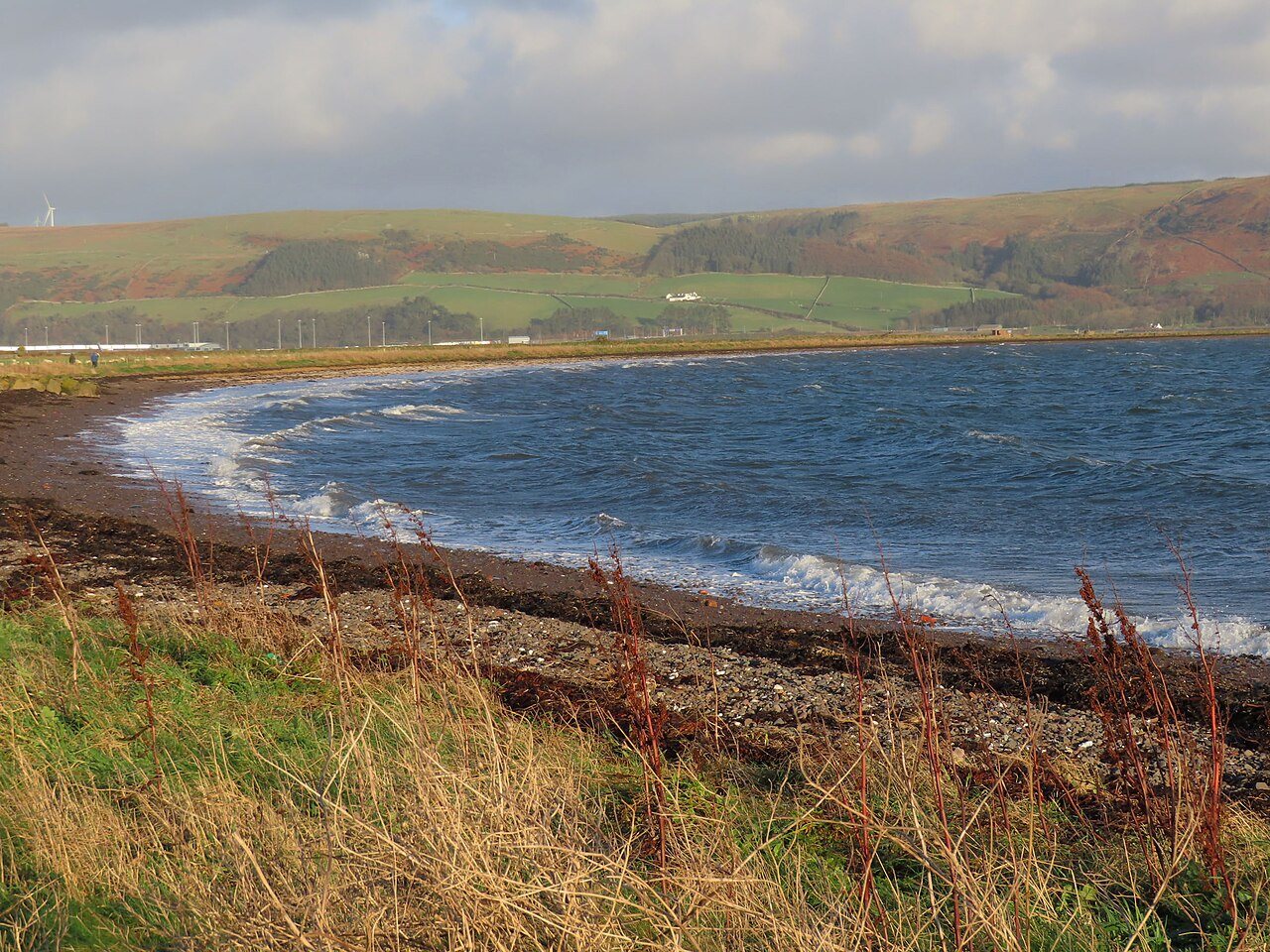
A sheltered shape can reduce the appearance of open-coast exposure without removing coastal processes. Water levels change with the tide, while wind and weather affect the surface. The conditions at one moment on the town waterfront do not describe every shore or the whole day.
Read the living shoreline
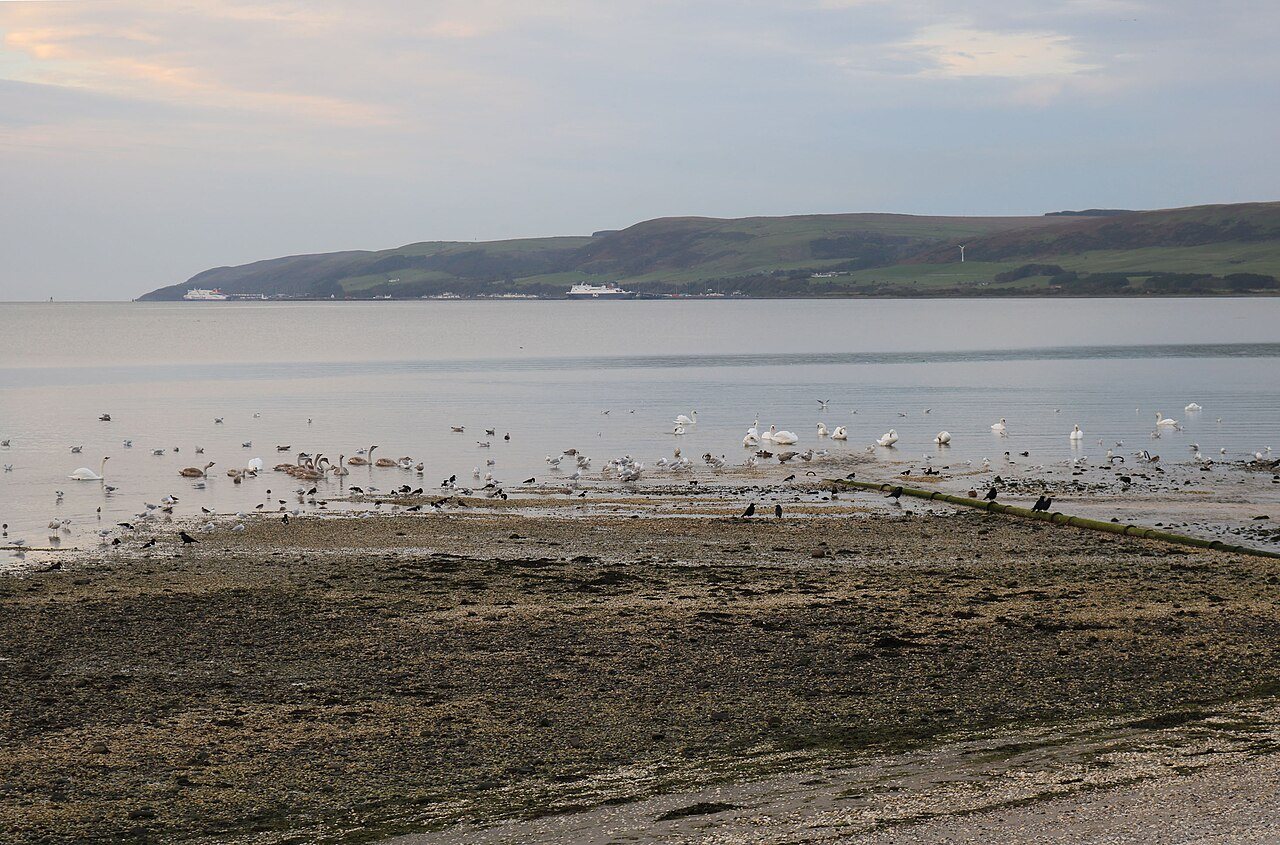
Tidal sand, mud and shingle support different uses from the edge of an inland lake. Birds may feed on exposed ground and move to resting places as the water rises. For visitors, this means both the view and the best way to observe it can change during an outing.
SEPA lists Loch Ryan among Scotland's coastal Shellfish Water Protected Areas. That designation helps place the loch within a marine environmental context. It is not a statement that any shellfish found by a visitor is safe to eat, nor a general permission to collect from the shore.
Let the distinction improve your plan
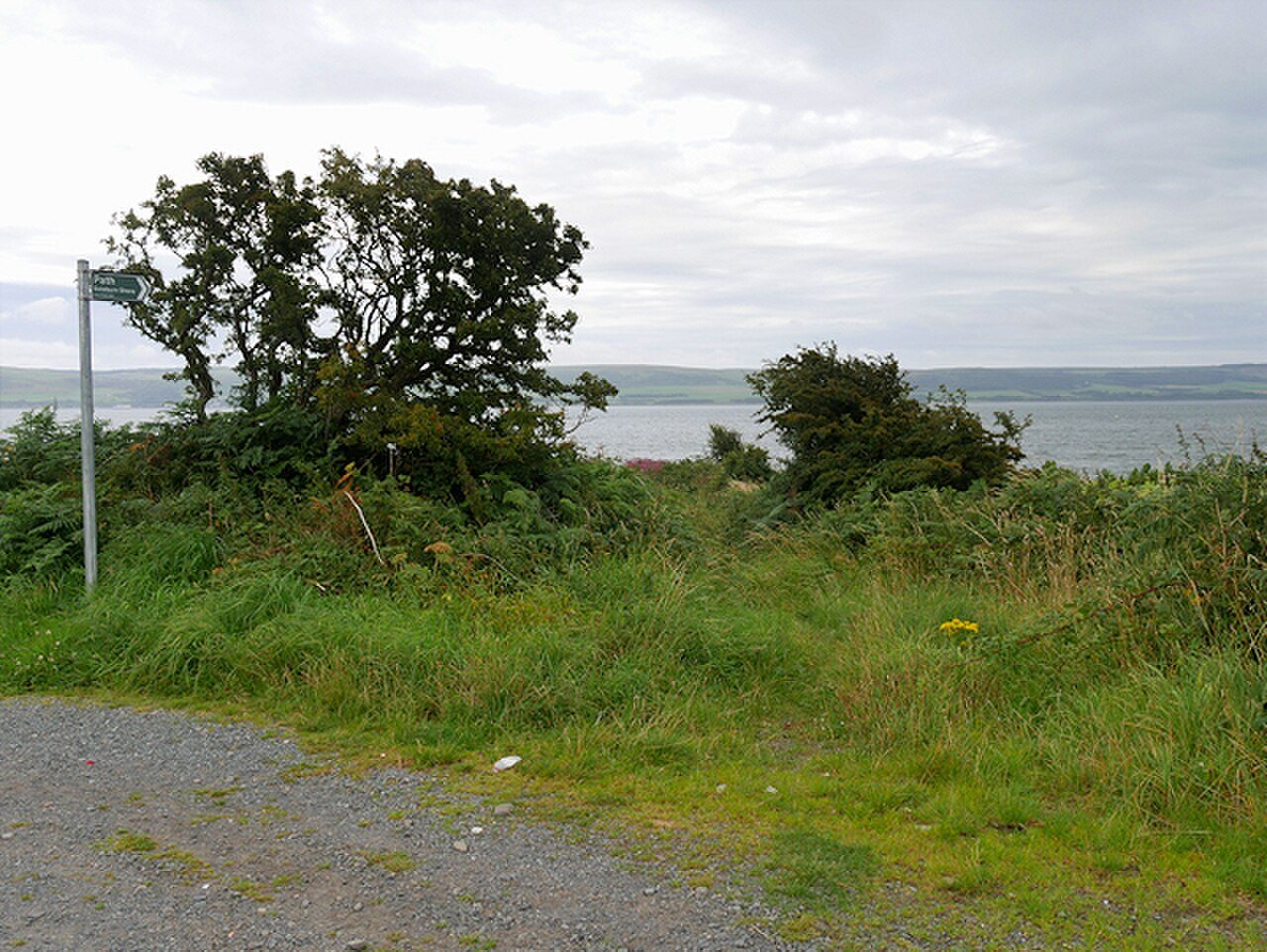
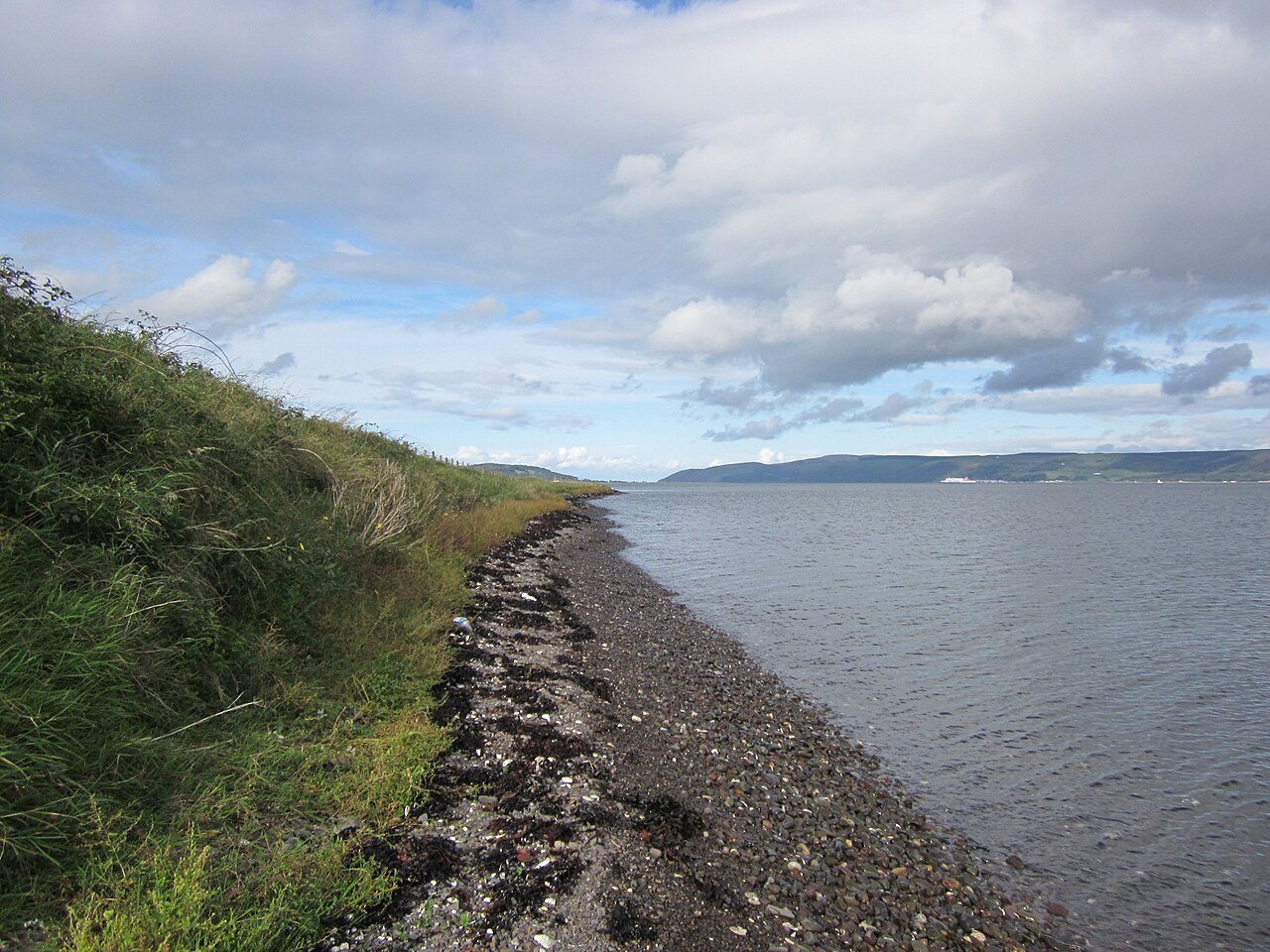
Use coastal tide information when choosing a shore walk. A low-water shortcut across a beach can disappear, and a route that follows the water's edge on arrival may not be available on return. The official western-shore walking information distinguishes high- and low-tide options for this reason.
For a simple visit, observe from an established land route rather than going onto soft intertidal ground. Compare where birds rest, where boats move and where people can comfortably walk. The sea-loch idea then becomes visible in the landscape instead of remaining a geographical label.
A couple of practical questions
Does 'loch' always mean a freshwater lake?
No. Scotland uses the word for both freshwater lochs and sea lochs. Loch Ryan's connection to the sea makes it a coastal inlet.
Does protected shellfish-water status make shore collecting safe?
No. Environmental designations, harvesting permissions and food safety are separate matters. Do not treat a protected-water label as permission or a safety guarantee for eating wild shellfish.