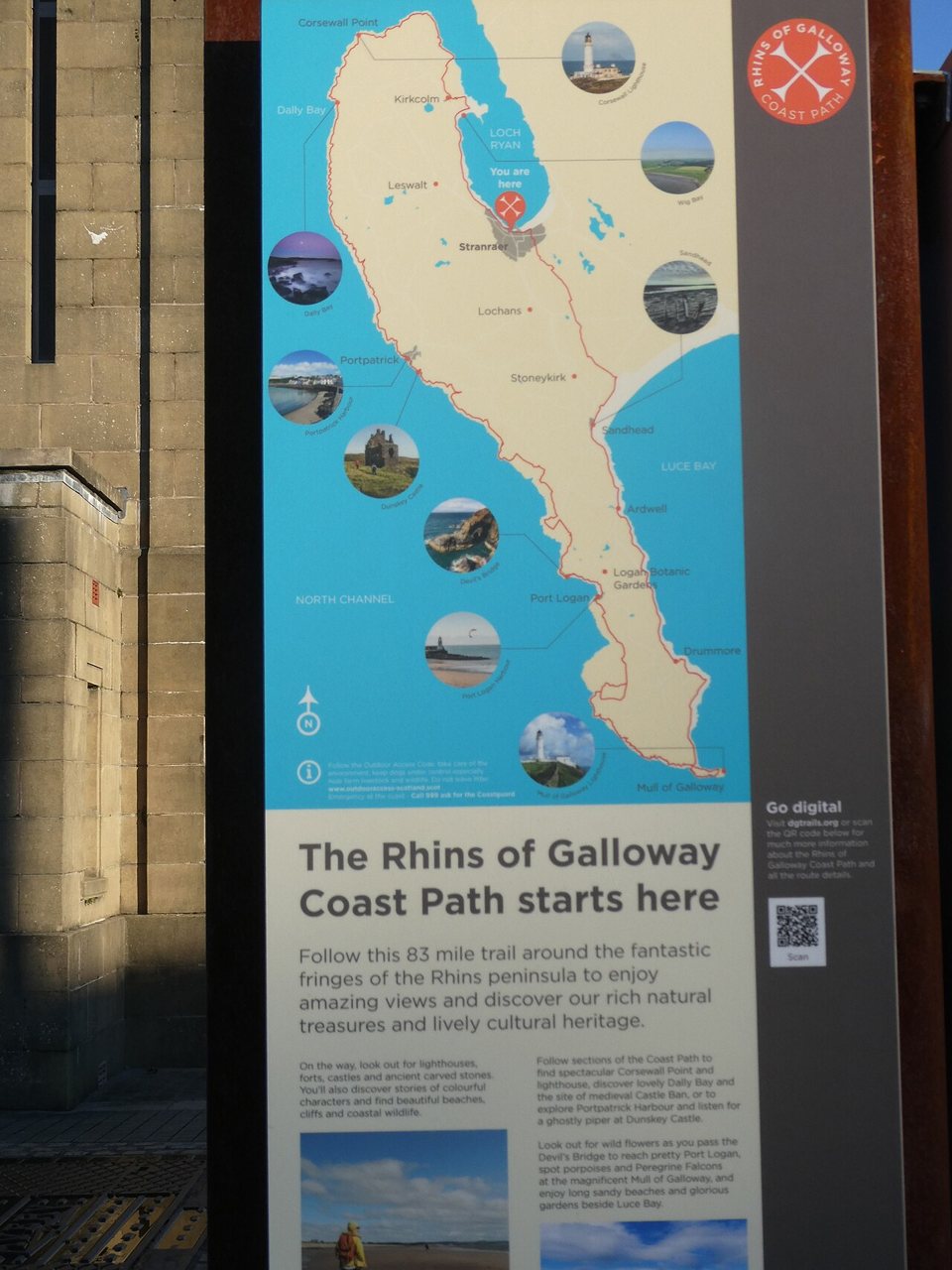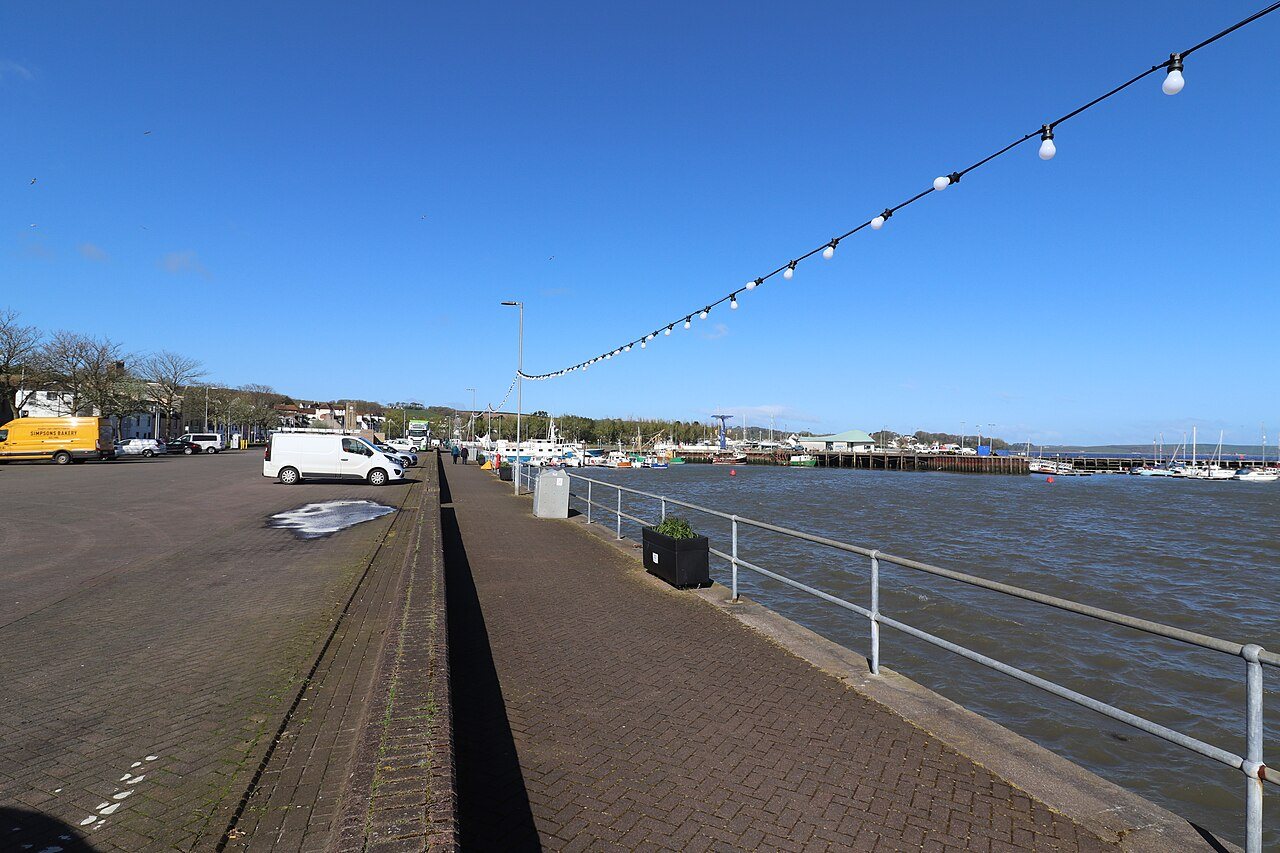
A mixed coastal day may involve town pavement, a garden path and uneven ground. Choose footwear for the roughest part you genuinely plan to walk, while keeping comfort in mind for the whole day. A brief stop beside the sea does not require the same equipment as a long exposed path. Equally, a modest distance can be demanding if the surface is wet, loose or irregular.
Identify the surface first
Read the current route description for steps, natural ground and shore sections. Consider recent weather: grass and mud after rain can behave differently from a dry photograph. Footwear with an appropriate grip is useful, but no sole makes slippery rock, unstable edges or a tidal crossing a sound choice.
For garden or town visits, ask about the particular paths if you need a predictable surface. A route described as short may still contain uneven sections. When the group wants only a comfortable waterfront pause, choose that route directly instead of preparing inadequately for a much rougher alternative.
Use a familiar fit
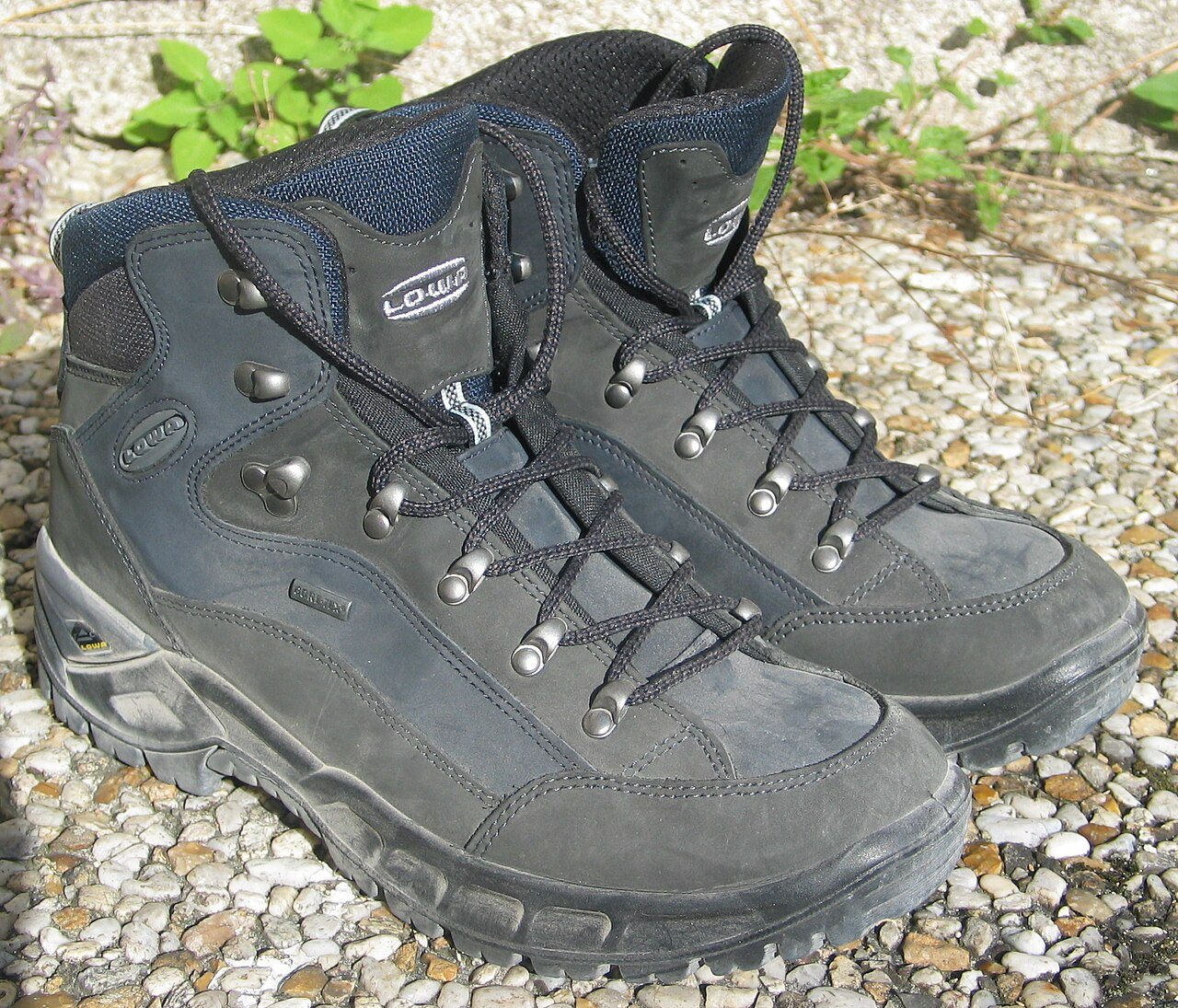
Wear a pair you have already walked in for a comparable amount of time. Check the fit with the socks you intend to use and leave room for toes without allowing the heel to slide excessively. A new boot's stiffness or a seam that seemed harmless indoors can become distracting on a longer outing.
Bring spare socks if wet feet would spoil the remainder of the day. Separate muddy footwear from food and clean luggage when returning to a vehicle or accommodation. A simple bag for dirty shoes can be more useful than adding another specialised item to the packing list.
Change the walk when the match is wrong
At the start, reassess rather than committing because the journey to the route has already taken time. If the ground is much wetter or rougher than expected, choose a more suitable path. The RNLI's coastal walking advice stresses care around edges and slippery conditions; footwear is one part of that decision.
Stop early if discomfort is developing and avoid saving an awkward descent for when someone is tired. The practical goal is to keep the group moving comfortably with enough attention for the landscape, not to prove that a particular shoe can cope with every surface.
A couple of practical questions
Are walking boots always necessary for a coastal visit?
No. Match footwear to the actual route and conditions. A surfaced town visit can be different from rough coastal walking, and a familiar comfortable option may suit the former better.
Does waterproof footwear mean I can ignore wet conditions?
No. It does not remove slipping, exposure or tidal hazards. Reconsider the route when conditions deteriorate, whatever footwear you brought.