
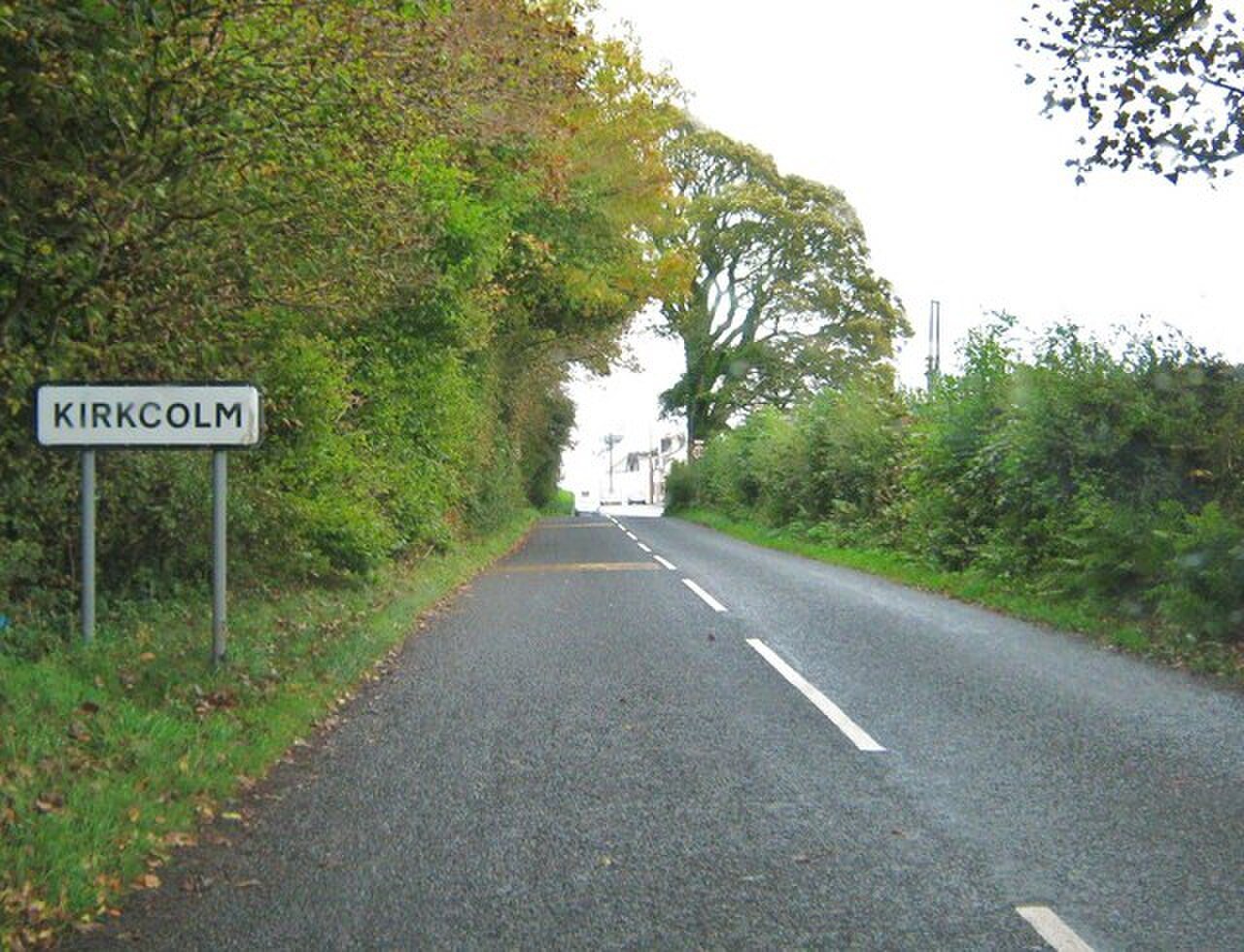
Place names make the Rhins landscape feel layered: a bay, farm, burn or village may have a name recorded in several forms. Investigating one is an enjoyable project for a short visit, provided the answer is allowed to remain uncertain. A modern spelling can conceal older forms, and a resemblance to a familiar word does not prove a meaning. Choose one name and collect its evidence before proposing a translation.
Find the same place in more than one record
Begin with a modern map and establish the feature's position. A farm and a nearby hill may share part of a name without being the same object. Record the location, type of feature and any alternative spelling on a sign. This keeps the investigation tied to a particular place.
Next, look for earlier map forms through the National Library of Scotland. Compare the name across editions rather than reading one sheet in isolation. A spelling change may reflect a surveyor's choice, a printing convention or a real change in use. The date of a map is evidence of recording, not necessarily the date the name began.
Use the OS Name Books carefully
The National Records of Scotland's guide explains how the Ordnance Survey Name Books recorded names, descriptions and authorities consulted during nineteenth-century survey work. These records and transcriptions are now available through Scotland's People. For the Rhins, the historic county and parish help locate relevant material.
Read the description as well as the proposed meaning. Note who supplied an explanation and whether it is presented as local tradition. An account written down in the nineteenth century is valuable evidence about what people said then; it need not settle a much older linguistic origin.
Keep a clear boundary between evidence and suggestion
A good notebook entry can be short: current name, two earlier forms, documentary reference and unresolved question. If a specialist explanation offers several possibilities, retain those qualifications. Do not turn a tentative derivation into a confident caption for a photograph.
Local pronunciation may also help you ask better questions, but a visitor's phonetic note is approximate. Ask respectfully when conversation permits and avoid telling residents their pronunciation is wrong because it differs from the letters on a sign. The aim is to understand the place, not to force every name into a single language or neat story.
A couple of practical questions
Can I translate a name by splitting its modern spelling?
That can generate a question, but it is weak evidence by itself. Earlier recorded forms and specialist linguistic work are needed before treating a translation as established.
Where should I start if I only have an afternoon?
Choose one visible feature, locate it on a modern map and collect a few historic spellings afterwards. One well-documented name is more useful than a long list of unsupported meanings.

.jpg)
.jpg)