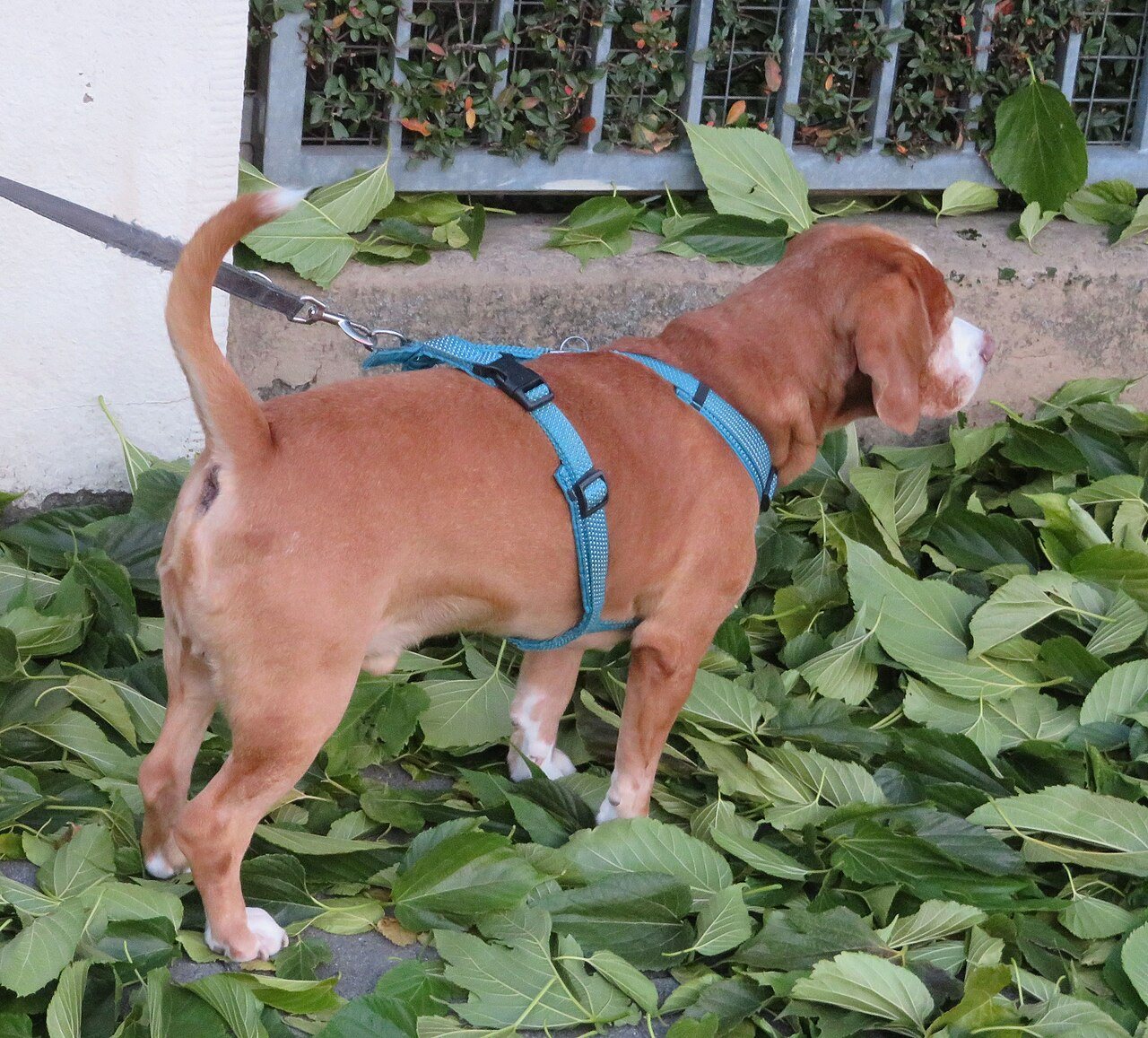
A dog sees a coastal outing differently from its owner: unfamiliar animals, scents and movement can be exciting even to a usually calm companion. The Rhins include farmland, wildlife habitat and narrow paths, so choose the route with those situations in mind. Scotland's access guidance permits responsible dog walking on much land, but the responsibility continues throughout the walk. A lead and a willingness to change route are useful parts of preparation.
Check the field before entering
Look for livestock, particularly young animals, and read any local advice. The Scottish Outdoor Access Code's guidance says not to take dogs into fields with lambs, calves or other young animals. Seek a suitable alternative instead of trying to hurry through because the path appears to continue on the far side.
Where dogs can appropriately be taken near other livestock, keep them on a short lead or under close control as the guidance requires and remain well away from the animals. Never let a dog chase, approach or worry them. A dog running for fun can still create a serious problem.
Know the cattle advice before you need it
Avoid placing yourself and your dog close to cattle. If cattle behave aggressively and threaten you, official guidance advises releasing the dog and taking the shortest safe way out, allowing the dog to find its own safety. This is an emergency response, not a reason to let a dog roam in ordinary circumstances.
Plan alternatives in advance where possible. If a route crosses working fields, conditions may differ from a previous visit. Gates and field use can change; an old description of an empty field is not reliable evidence that it is empty today.
Think about shorebirds and other walkers
Keep your dog in sight and under proper control. Do not allow it to approach people, wildlife or other dogs uninvited. On a narrow coastal path, a short lead may also help you manage passing, but stand well back from edges and do not assume a dog will judge the drop sensibly.
If birds become alert or move because of the dog, increase the distance. A seemingly open beach may be important feeding or resting ground. Use binoculars for wildlife and give the dog a different activity in a suitable place.
Finish the practical details
Carry enough waste bags and take bagged waste home when no suitable bin is available. Leaving a bag beside a path to collect later is easy to forget and still leaves litter. Bring water for the dog and allow a rest before a long onward journey.
Check garden, attraction and accommodation policies separately. Outdoor access rules should not be treated as an admission policy for a ticketed garden or a promise that a business accepts dogs. Confirm the particular visit before putting it into the day's plan.
A couple of practical questions
Does a dog being friendly mean it can approach livestock?
No. The owner's view of its temperament does not remove the risk of disturbance, chasing or livestock reacting defensively. Keep a suitable distance and follow the access guidance.
Can I rely on last year's dog-walking route?
Review it again. Livestock, seasonal wildlife needs and path conditions can change. Keep alternatives available and follow current reasonable local advice.