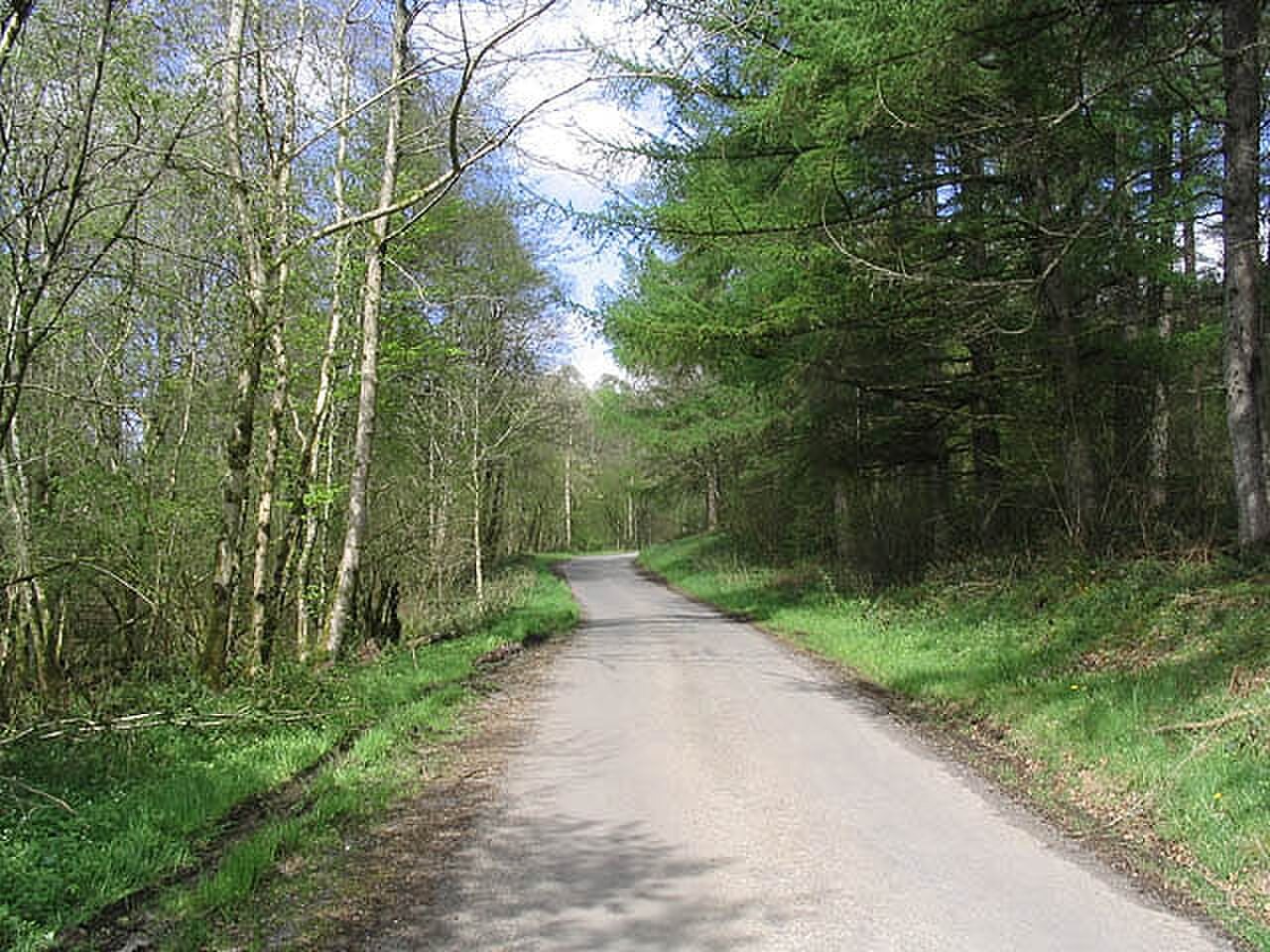
Rural roads connect many places on the Rhins, but a narrow line on a map is not automatically a pleasant walking link. Some lanes have limited sightlines, little verge and traffic that includes farm vehicles. Before using one to join paths or reach a village, inspect the route description and consider everyone in the group. A longer established walking option may be more suitable than a short road shortcut.
Assess the connection, not just its length
Look for pavement provision, bends, junctions and the amount of road walking involved. A brief link near a settlement can be different from a long lane between fields. Online imagery can help identify the kind of road, but it may be old and cannot show today's traffic or temporary works.
If a path description includes a road section, read its instructions carefully. Do not assume that a promoted walk makes the lane traffic-free. Avoid planning an unfamiliar narrow-road return after dark simply because the outward coastal stretch is expected to be scenic.
Follow pedestrian guidance on the ground
The Highway Code advises using pavements where provided. On a road without a pavement, its general advice is to walk on the right to face oncoming traffic, keeping close to the side and using single file when needed. It notes that a sharp right-hand bend may require crossing well before it for better visibility, then crossing back afterwards. Make any crossing only where you can see and be seen.
Stay alert rather than using headphones or a map screen while moving. Bright clothing can help in poor daylight; reflective material matters in darkness. Neither replaces a route choice that gives enough space and visibility.
Leave room for other people working
Keep entrances, passing places and field gates unobstructed when stopping to consult a map. A passing place is needed by vehicles, so it should not become a picnic or parking spot. When machinery approaches, find a suitable safe position without climbing on walls or entering hazardous ground.
With children or a dog, agree how the group will move before starting the road section. If keeping everyone together is difficult, change the walk. A lane can be a necessary connection, but there is no obligation to include it when it undermines the purpose of a relaxed outing.
A couple of practical questions
Can I assume a single-track road has very little traffic?
No. Traffic levels vary, and even occasional vehicles can be difficult to pass where sightlines or verges are poor. Consider the physical space as well as the likely number of vehicles.
Is a road shown inside a walking route closed to vehicles?
Usually that should not be assumed. Follow signs and the route's current instructions, and treat a public road as a working traffic environment unless clearly told otherwise.