
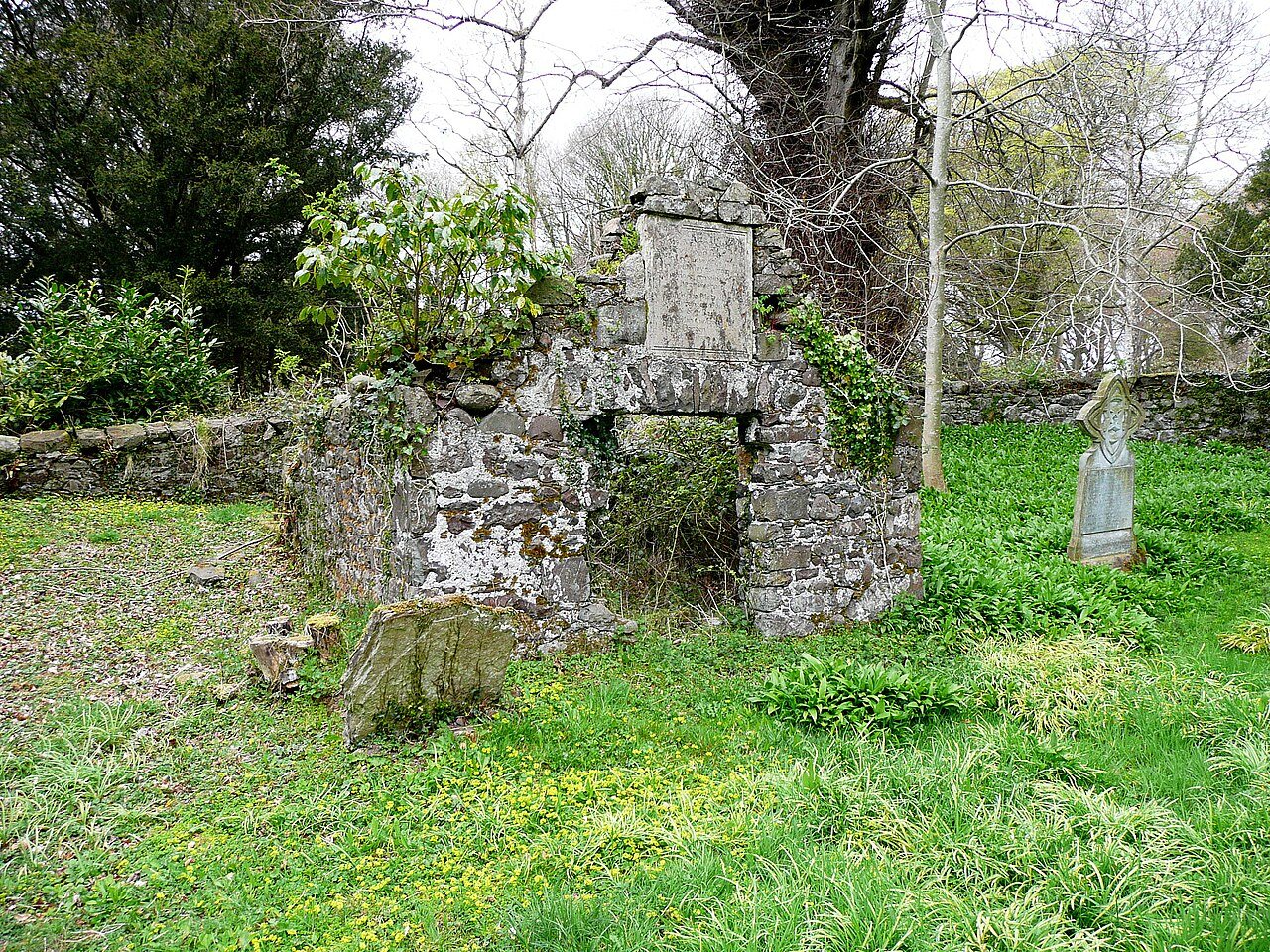
A churchyard can reveal family connections, occupations and changing memorial styles, but it is also a place of remembrance and sometimes an active burial ground. Begin with the site's notices and the needs of anyone using it. A quiet, careful visit should leave the stones, plants and ground exactly as they were. Reading an inscription is a research activity; repairing or cleaning a memorial is a different responsibility.
Record what is actually legible
Write down the wording you can see, keeping uncertain letters separate from your guesses. A date on a family memorial may refer to one of several people, and an older-looking stone may carry later additions. Record the position of each line and the relationship between names instead of collecting isolated dates.
Take an overall photograph before a detail, where photography is appropriate. Include a note about which face of the memorial you read and where it stands, using a sketch rather than markings on the ground. Side lighting sometimes makes an inscription easier to see; changing your viewing position is preferable to rubbing the surface or applying substances.
Treat stone and ground cautiously
Do not lean on, push or attempt to straighten a monument. Historic Environment Scotland's gravestone work shows that inspection and conservation require assessment, and a memorial's appearance does not establish its stability. Observe any barrier or temporary closure and report an apparent problem to the site manager.
Keep to established routes where available. Low slabs, uneven ground and vegetation can make a short crossing more awkward than it appears. Never remove growth to reveal a name. The person responsible for the site should decide what work is appropriate, with conservation advice when needed.
Connect an inscription to other evidence
Afterwards, compare your transcription with burial records, historic maps or other documentary sources. A memorial commemorates someone, but its presence alone does not prove the exact location of that person's burial. Repeated surnames suggest a question about relationships rather than proving one.
On the Rhins, place names and parish boundaries are useful research clues. Note both the modern location and the historic parish where known, and keep the source for each statement. If a funeral or private act of remembrance is taking place, postpone the research rather than treating access as an entitlement to occupy the space.
A couple of practical questions
Should I make a rubbing of a faint inscription?
Avoid applying pressure, chalk, water or other materials to make the lettering clearer. Photograph and transcribe what you can see, then consult records or the site manager about further research.
Does a headstone prove someone is buried underneath it?
Not necessarily. Memorials can commemorate several people and may have been moved or placed apart from a burial. Burial records and site plans can help establish the relationship.

.jpg)
.jpg)